Hormone pellet insertion: what happens before, during and after
By Chad Barnsdale · Updated 2026-06-01
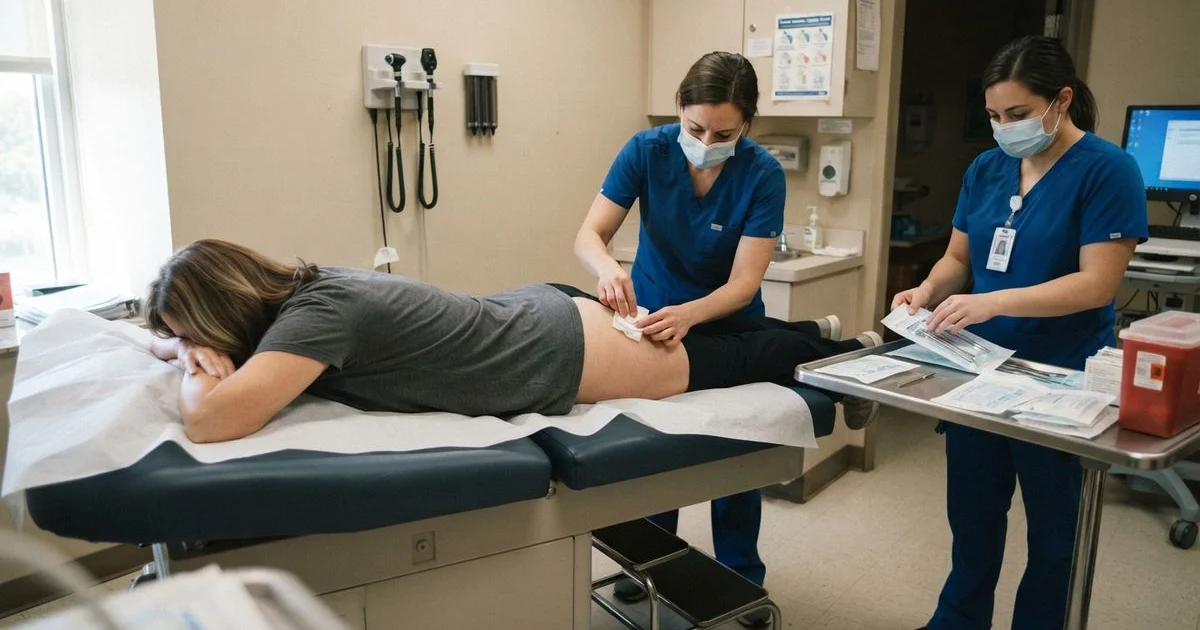
Hormone pellet insertion is a quick in-office procedure, but “quick” does not mean there is nothing to prepare for. Knowing what happens at each stage makes the visit far less unfamiliar, and it helps you catch the rare problem early instead of assuming discomfort is normal when it is not. Florida’s hormone pellet therapy providers each run this a little differently, but the core steps below are consistent across most clinics.
Before the visit
Your provider will typically want recent bloodwork, current total and free testosterone plus a hematocrit level, confirmed within the last month or two. Based on those numbers and your body weight, they calculate roughly how many pellets you need. Our guide on hormone pellet therapy cost in Florida breaks down what a visit like this typically runs, if budgeting is part of your decision. Most clinics ask you to avoid blood thinners like aspirin or fish oil for a few days beforehand if your doctor agrees it is safe, since that reduces bruising at the insertion site.
During the procedure
| Stage | What happens |
|---|---|
| Prep | The insertion site, usually the upper hip or buttock, is cleaned and numbed with a local anesthetic |
| Insertion | A small incision or trocar device places the pellets under the skin’s fatty layer |
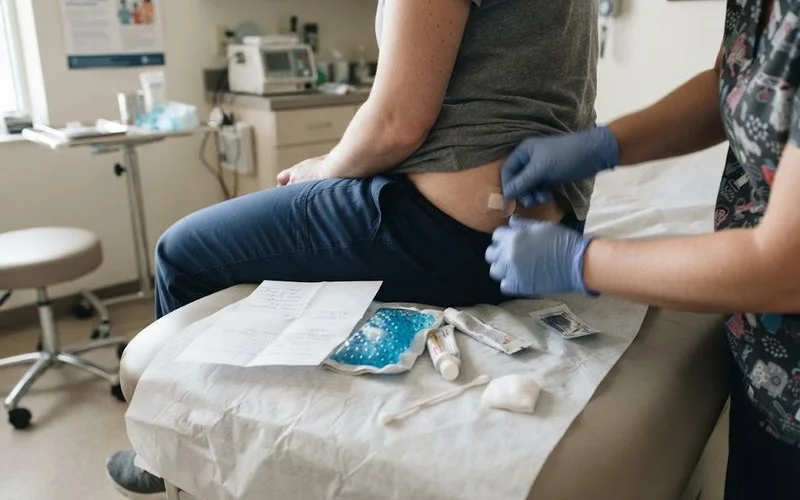
| Closing | The tiny opening is closed with a steri-strip or a single stitch, then covered with a dressing |
| Wrap-up | You get written aftercare instructions and a follow-up date, typically 6 to 12 weeks out |
The whole insertion itself is brief. Most of the visit is the prep and the paperwork, not the procedure.
After the procedure: the first week
Mild soreness, bruising, or a small lump at the site is normal and usually fades within a week or two. Keep the area dry for the first day or two, and hold off on hard workouts, swimming, or hot tubs for about a week so the incision has time to close fully. Some clinics recommend a compression bandage for the first 24 hours to reduce bruising.
Red flags to call your clinic about
Contact your provider if you notice spreading redness, warmth, or drainage at the site, a fever, or a pellet that visibly works its way back out through the skin (rare, but it happens). None of these are common, but they are not something to wait out on your own either.
Your first follow-up
Most clinics schedule a lab recheck 6 to 12 weeks after insertion to confirm your levels landed where they expected. This is also the point where dose adjustments for your next insertion get made, so it is worth going into that appointment with a clear sense of how you have felt: energy, mood, sleep, and libido are the usual markers your provider will ask about.
If you are still comparing providers, our published methodology weighs how clinics handle procedure care and follow-up, not just star counts, and you can browse the full Florida rankings here.
This is general information about a common in-office procedure, not medical advice; your provider’s specific protocol may differ.
Common questions
- Does pellet insertion hurt?
- Most patients describe pressure rather than sharp pain. The insertion site is numbed with a local anesthetic first, so the main discomfort is usually a dull ache for a day or two afterward, similar to a bruise.
- How long does the actual procedure take?
- The insertion itself usually takes 10 to 15 minutes once the numbing has taken effect. Plan for closer to 30 to 45 minutes total once you count check-in and post-procedure instructions.
- When will I start to feel a difference?
- Most people notice a change over two to four weeks as the pellets reach a steady release rate. If you feel nothing after six to eight weeks, that is worth flagging to your provider rather than waiting out the full interval.
- What should I avoid right after the procedure?
- Clinics typically ask you to keep the site dry for 24 to 48 hours and avoid strenuous exercise, swimming, or soaking in a bath for about a week to reduce the chance of the pellet working its way back out.