TRT lab testing and monitoring: what to expect and how often
By Chad Barnsdale · Updated 2026-06-05
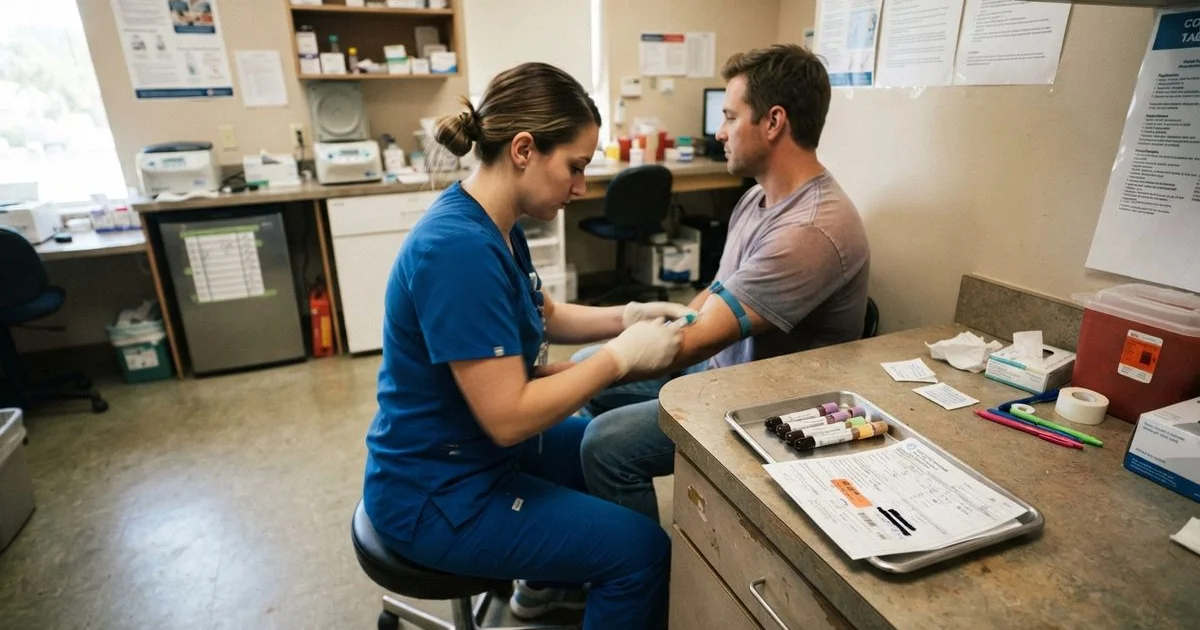
Lab testing is not a one-time hurdle before you start TRT, it is an ongoing part of the treatment itself. Knowing the typical rhythm helps you plan around it instead of being surprised by a recheck request three months in. Florida’s labs and diagnostics providers vary in turnaround time, which matters more than people expect once you are on a monitoring schedule.
The baseline panel, before you start
Before your first prescription, most clinics order a baseline panel that typically includes total and free testosterone, a complete blood count (hematocrit specifically), and often PSA, estradiol, and LH/FSH depending on your age and clinical picture. This baseline is what your provider compares every future result against, so it is worth getting a genuinely accurate draw: morning blood draws, before 10am, are standard because testosterone naturally peaks earlier in the day.
The typical monitoring timeline
| Timing | What’s usually checked | Why |
|---|---|---|
| Baseline, before starting | Total/free T, CBC, PSA, estradiol | Confirms diagnosis and sets your starting point |
| 6–8 weeks after starting or a dose change | Total/free T, hematocrit | Checks whether your dose is landing in range |
| Every 3–6 months, once stable | Total/free T, hematocrit, PSA | Ongoing safety monitoring |
| Annually | Full panel, wider set of markers | Broader check as you continue treatment long term |
Your provider may adjust this cadence, especially early on if your first recheck shows levels far outside the target range.
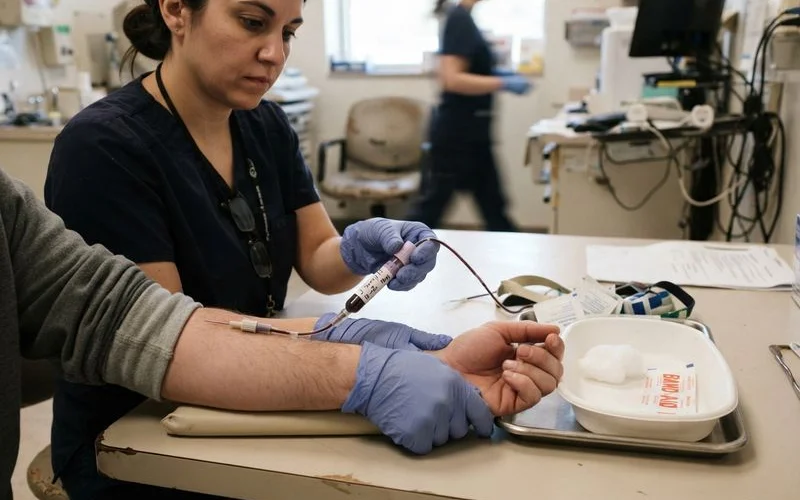
Why the scheduling gap happens, and how to avoid it
Delays of one to four weeks between requesting a lab and actually getting the draw are a real, commonly reported frustration, usually tied to phlebotomy staffing or a backed-up results queue rather than anything wrong with your treatment. A few things shorten that gap: book your next recheck before you leave your current appointment instead of waiting to call in, ask specifically whether same-day or walk-in draws are available, and confirm upfront how results get delivered, portal, call, or in-person follow-up, so you are not left guessing. If you administer your doses in-clinic rather than at home, ask whether your lab draw can be combined with a dosing visit, one more reason the trade-offs in our guide on self-injecting testosterone vs in-clinic administration are worth weighing early.
What a delayed result actually means
A slow lab turnaround does not mean your treatment is off track. It usually means your provider simply has not seen the numbers yet to confirm or adjust your dose. If you feel a change in symptoms before your scheduled recheck, most clinics will move up an earlier draw rather than making you wait out the full interval.
Making monitoring part of your routine
The clinics reviewers describe most positively are the ones that treat lab rechecks as a built-in part of the relationship, not an extra hoop. When you are choosing a provider, ask how monitoring is handled day to day, not just what the initial consultation covers. Consistency of follow-up care is one of the things our published methodology accounts for when ranking Florida providers.
This is general information about a typical monitoring schedule, not medical advice; your provider sets your specific testing plan.
Common questions
- How often do I need bloodwork once I am on TRT?
- A common pattern is a recheck 6 to 8 weeks after starting or changing your dose, then every 3 to 6 months once your levels are stable. Your clinic may adjust that based on how your numbers track.
- What does a standard TRT monitoring panel check?
- Total and free testosterone to confirm dosing, hematocrit to watch for thickened blood, and often estradiol and PSA depending on your age and history. A fuller panel adds thyroid and other hormone markers.
- Why did it take weeks to get my lab appointment?
- Scheduling delays of one to four weeks show up in patient feedback across the industry, often tied to phlebotomy staffing or backed-up result turnaround. Booking your recheck at the same visit you get your results, rather than waiting to call in later, usually shortens the gap.
- Can I get testosterone labs done same day?
- Some Florida labs and clinics do offer same-day or walk-in draws, which is worth asking about directly if turnaround time matters to you, especially for an initial diagnostic panel.