Self-injecting testosterone at home vs in-clinic administration
By Chad Barnsdale · Updated 2026-06-10
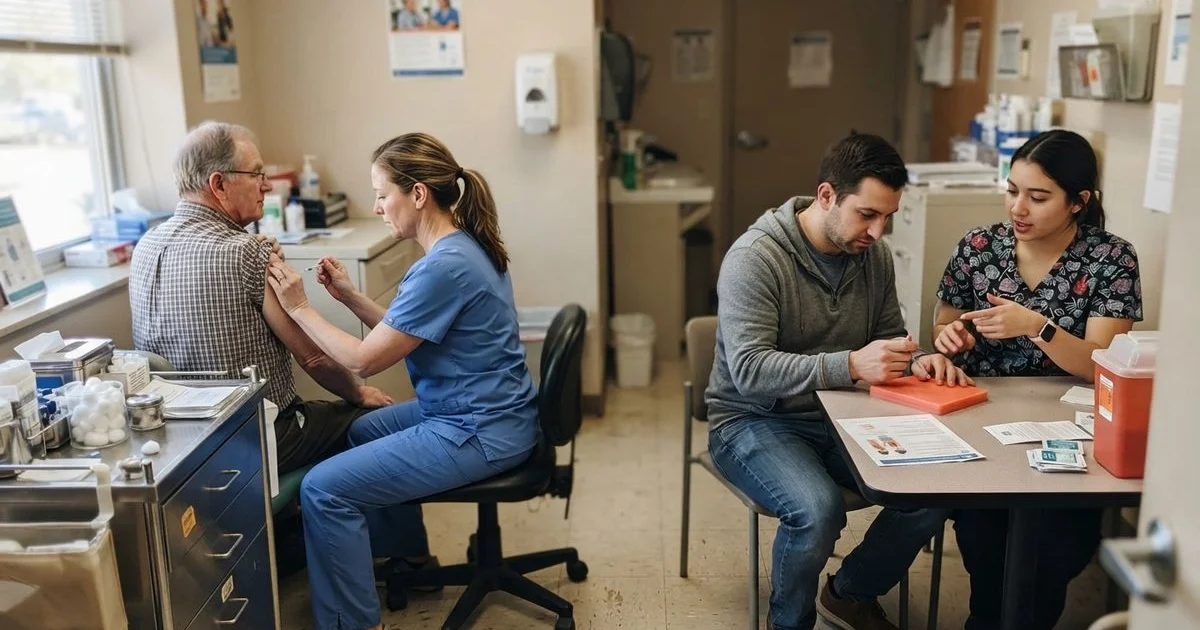
Once you and your provider settle on injectable testosterone, the next real decision is who actually gives the shot: you, at home, or a nurse, at the clinic. Both work equally well from a treatment standpoint. The difference comes down to cost, time, and how you feel about needles. Florida’s TRT injection therapy providers generally offer both options, so this is worth deciding deliberately rather than defaulting to whatever the intake coordinator suggests.
Side by side
| Factor | Self-injecting at home | In-clinic administration |
|---|---|---|
| Recurring cost | Lower, no per-dose visit fee | Higher, a visit fee every dose |
| Time per dose | A few minutes, on your schedule | Requires a clinic visit each time |
| Missed-dose risk | Depends on your own consistency | Lower, staff manage the schedule |
| Comfort with needles | Requires getting past initial anxiety | No hands-on involvement from you |
| Technique consistency | Improves with practice, some early variability | Consistent, done by trained staff every time |
What tips people toward self-injecting
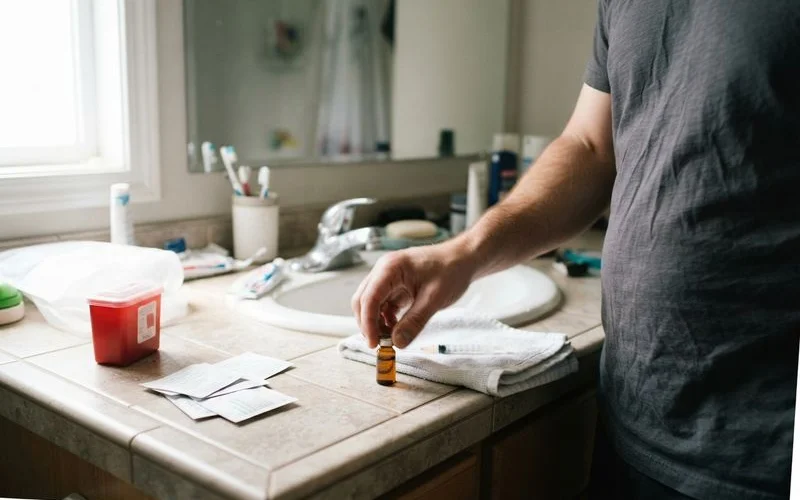
Weekly or twice-weekly dosing is the most common driver: a per-visit fee multiplied by 52 or 104 doses a year adds up quickly, and most people find the technique itself becomes routine within the first few sessions. Subcutaneous injections in particular use a short, thin needle and are widely considered the easier starting point for people new to self-injecting.
What tips people toward clinic administration
If needle anxiety genuinely does not go away with practice, or your schedule already has you at the clinic for other reasons, in-clinic administration removes the technique question entirely. It also appeals to people who would rather not store medication and sharps at home, or who are on a less frequent injection schedule where the added visit fee matters less per year. Clinic visits also line up naturally with your monitoring bloodwork, covered in our guide on TRT lab testing and monitoring, if consolidating visits appeals to you.
A practical middle path
Some clinics will train you for self-injection but keep your first one or two doses in-office so staff can watch your technique and confirm you are comfortable before you are on your own. That is worth asking for directly if you are leaning toward self-injecting but want a safety net first.
Making the call
There is no wrong answer here, and switching later is usually straightforward. If cost matters most, self-injecting almost always wins. If consistency and not thinking about needles matters more, clinic administration is worth the extra fee. Look for a clinic that lays out both paths clearly at your first visit; how well providers explain that choice is one of the things our methodology scores, and you can browse the full rankings here.
Common questions
- Is it safe to inject testosterone myself at home?
- Yes, once your clinic has trained you on the technique, needle site rotation, and proper disposal. Millions of people manage subcutaneous or intramuscular injections at home for various conditions; testosterone is no different once you know the basics.
- Does self-injecting save real money?
- It typically does. In-clinic administration adds a visit fee every time you dose, which adds up fast on a weekly or biweekly schedule. Self-injecting avoids that recurring charge.
- What if I miss a dose or mess up the injection?
- A single late or slightly off-technique dose is rarely a serious problem; testosterone esters clear slowly, so your levels do not crash overnight. If you consistently miss doses or a site becomes red, swollen, or painful, call your clinic.
- Can I switch from clinic administration to self-injecting later?
- Most clinics will train you at any point, not just at your first visit. If needle anxiety is the only thing holding you back, ask about a supervised practice session before committing either way.