Hormone pellet therapy cost in Florida: what to budget for
By Chad Barnsdale · Updated 2026-05-27
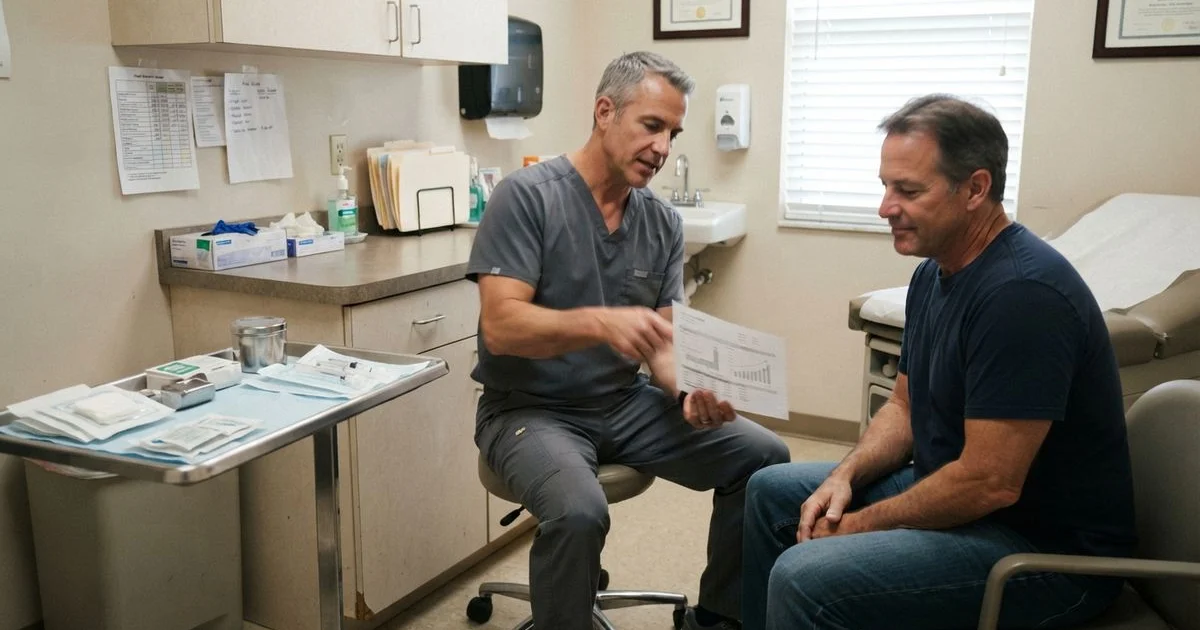
Pellet therapy is priced differently than most other testosterone delivery methods, and that trips people up when they compare it to a monthly injection quote. This guide breaks down what a pellet insertion actually costs in Florida and why the billing structure looks the way it does. Florida’s hormone pellet therapy clinics can walk you through exact numbers for your dose, but here is what to expect going in.
Why pellets are billed differently
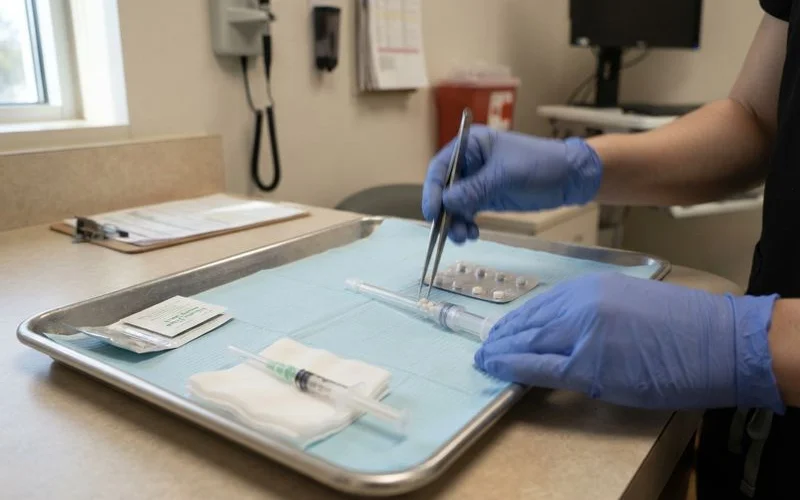
Injections and gels are usually billed monthly because you take a dose every day or every week. Pellets work on a different rhythm: a provider inserts a cluster of compounded testosterone pellets under the skin, usually near the hip, and they release hormone steadily for three to five months before you need a refill. That means pellet pricing is really a per-visit cost, not a monthly subscription, even though the hormone itself is working every day in between.
Typical cost ranges
| Cost component | Typical range |
|---|---|
| Monthly equivalent (medication + insertion procedure) | $470–$730 |
| Full insertion visit, covering roughly 3–5 months | $1,600–$2,600 |
| Routine lab panel (per panel) | $60–$350 |
These ranges reflect the procedure and medication only; actual pricing depends on your dose, body weight, and the number of pellets your provider determines you need.
What makes the price move within that range
- Dose and body weight. Larger doses require more pellets, which raises the per-visit cost.
- Insertion site prep. A brief local anesthetic and a small incision are standard; clinics that include a follow-up check in the same fee price it slightly higher than those that bill visits separately.
- Compounding pharmacy costs. Pellets are custom-compounded rather than mass-manufactured, so pricing can shift with the pharmacy your clinic uses.
- Lab frequency. Clinics that recheck labs at every refill add that cost on top of the insertion fee; some bundle one lab panel into the visit price.
Questions worth asking before you book
Ask whether the quoted price includes the follow-up visit and one lab panel, or whether those are billed on top. Ask how many pellets are typically used at your estimated dose, since some clinics quote a flat “per visit” price regardless of pellet count while others itemize per pellet. And ask what happens if your levels run high or low between visits: some programs adjust your next dose at no extra charge, others charge for an early recheck. For a full walkthrough of what the visit itself involves, see our guide on hormone pellet insertion: what to expect.
Comparing pellets to other methods
If the up-front cost of a pellet visit gives you pause, it helps to see it against a full year of self-injected testosterone rather than a single month, since three or four pellet visits a year land in a similar annual range to weekly self-injections once visit fees are factored in. The right choice usually comes down to whether you would rather handle a weekly injection at home or a quarterly in-office visit, not which one is dramatically cheaper.
Pricing transparency is one of the factors baked into how listings are ranked on this site under our published methodology, so it is worth cross-checking a provider’s standing before you book.
This guide is general information; a clinic consultation and lab review will confirm your actual dose and cost.
Common questions
- How much does a hormone pellet insertion cost?
- A single insertion visit, which typically covers three to five months of hormone delivery, commonly runs in the range of 1,600 to 2,600 dollars once the insertion procedure and pellets themselves are included. Ask your clinic for a written breakdown before booking.
- Why are pellets more expensive than injections?
- Pellets bundle the medication with an in-office procedure fee every time you refill, while self-injected testosterone only carries a medication cost most months. You are paying for the convenience of not injecting yourself for months at a stretch.
- Are hormone pellets covered by insurance?
- Less consistently than injections. Pellets are usually compounded, and many insurers exclude compounded medications from their formulary even when a diagnosis is documented, so budget for at least partial self-pay.
- How often will I need to pay for a refill?
- Most men need a new insertion every three to four months; women's pellets often last a bit longer. Your exact interval depends on your dose, metabolism, and how your labs track between visits.